How Do Dehumidifiers Work?
The Complete Guide to Types, Sizes, and Technology.
Excess humidity isn't just uncomfortable—it creates the perfect environment for mold growth, dust mites, and structural damage to your home. Whether you're dealing with a musty basement, condensation in a small bedroom, or humidity issues throughout your entire house, understanding how dehumidifiers work is essential to choosing the right solution.
This comprehensive guide breaks down the technology behind dehumidifiers, compares different types, and helps you select the perfect size for your space.
Why Indoor Humidity Matters
The EPA recommends maintaining indoor humidity levels between 30-50%. When humidity exceeds this range, you may experience:
- Mold and mildew growth
- Dust mite proliferation
- Musty odors
- Structural wood damage
- Increased cooling costs
- Window condensation

The Science Behind Dehumidification
All dehumidifiers work on the same basic principle: they extract water vapor from the air and collect it in a reservoir or drain it away. However, the method they use to accomplish this varies significantly depending on the technology employed.
Types of Dehumidifiers Explained
Compressor (Refrigerant) Dehumidifiers
Compressor dehumidifiers use the same refrigeration cycle found in air conditioners and refrigerators: Air is drawn in over ice-cold coils, water condenses and drips into a tank, and the air is slightly reheated before being released.
- Best for warm conditions (above 65°F)
- High moisture capacity (30-70+ pints)
- Cost-effective for large spaces
- Louder operation
- Less efficient in cold temps
- Heavier/Less portable
Best For: Basements, large rooms, and warm climates.
Desiccant Dehumidifiers
These units use a moisture-absorbing material (typically silica gel) on a rotating wheel. A heater then "regenerates" the material by releasing the captured moisture into the tank.
- Effective in cold environments
- Extremely quiet
- Achieves very low humidity (<35%)
- Higher energy consumption
- Releases warm exhaust
- Lower pint capacity
Best For: Garages, RVs, boats, and unheated storage units.
Thermoelectric (Peltier) Dehumidifiers
Thermoelectric units use a semiconductor to create a cold surface. When air hits this cold plate, condensation occurs. There are no moving parts other than a small fan.
- Virtually silent
- Ultra-compact
- Inexpensive
- Very limited capacity (8-12 oz/day)
- Tiny coverage (under 200 sq ft)
Best For: Closets, small bathrooms, and gun safes.
Size Categories: Matching Capacity to Space

Small Dehumidifiers (Up to 20 Pints)
Coverage: Up to 500 square feet.
Features to Look For: Auto shut-off, quiet operation (<45 dB), and Energy Star certification. Perfect for bathrooms and small offices.
Our Small Space Top Pick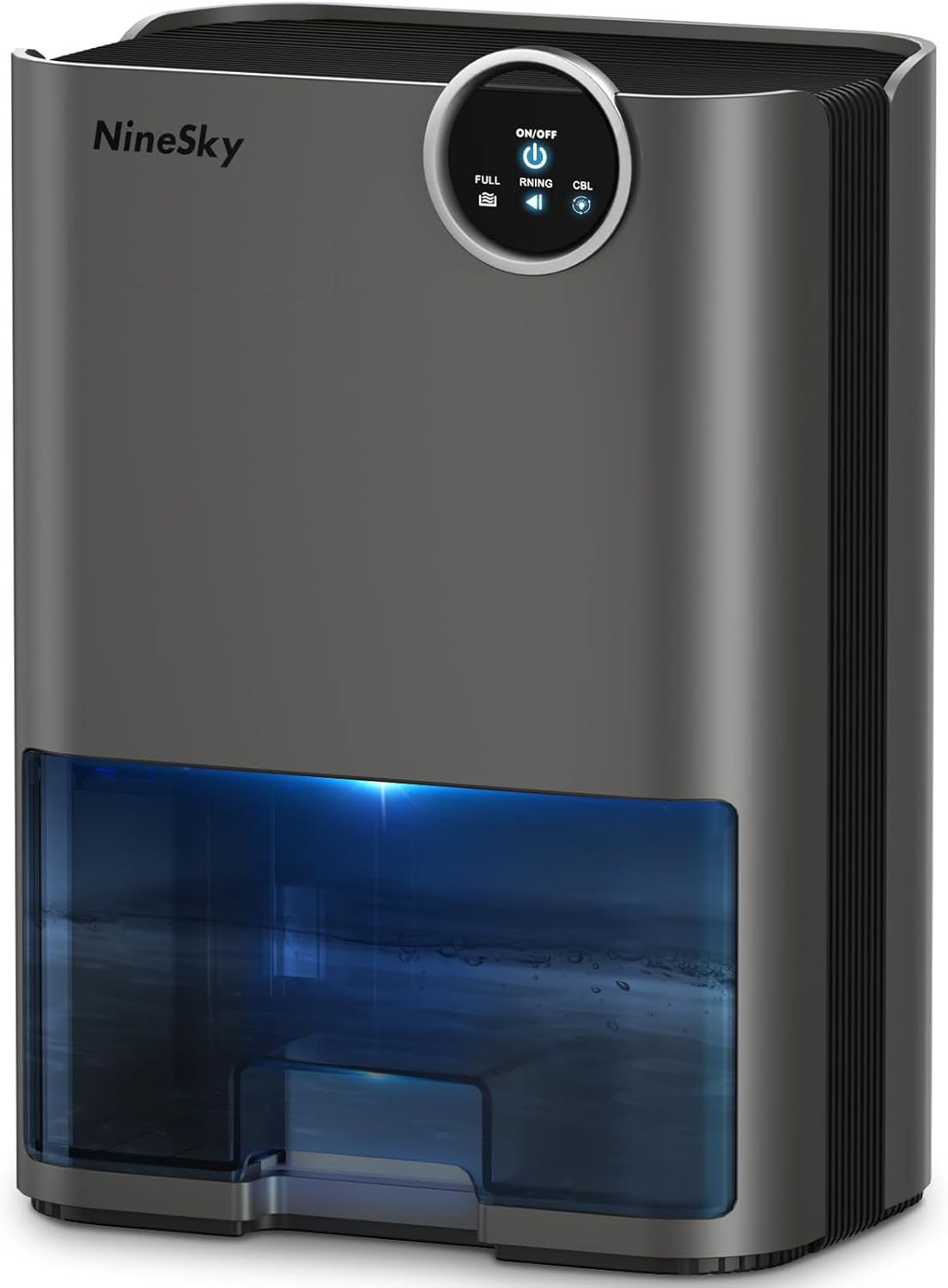
Medium Dehumidifiers (30-50 Pints)
Coverage: 500 - 1,500 square feet.
Ideal for master suites and living rooms. Look for units with digital humidistats and continuous drain hose connections.
Our Medium Space Top Pick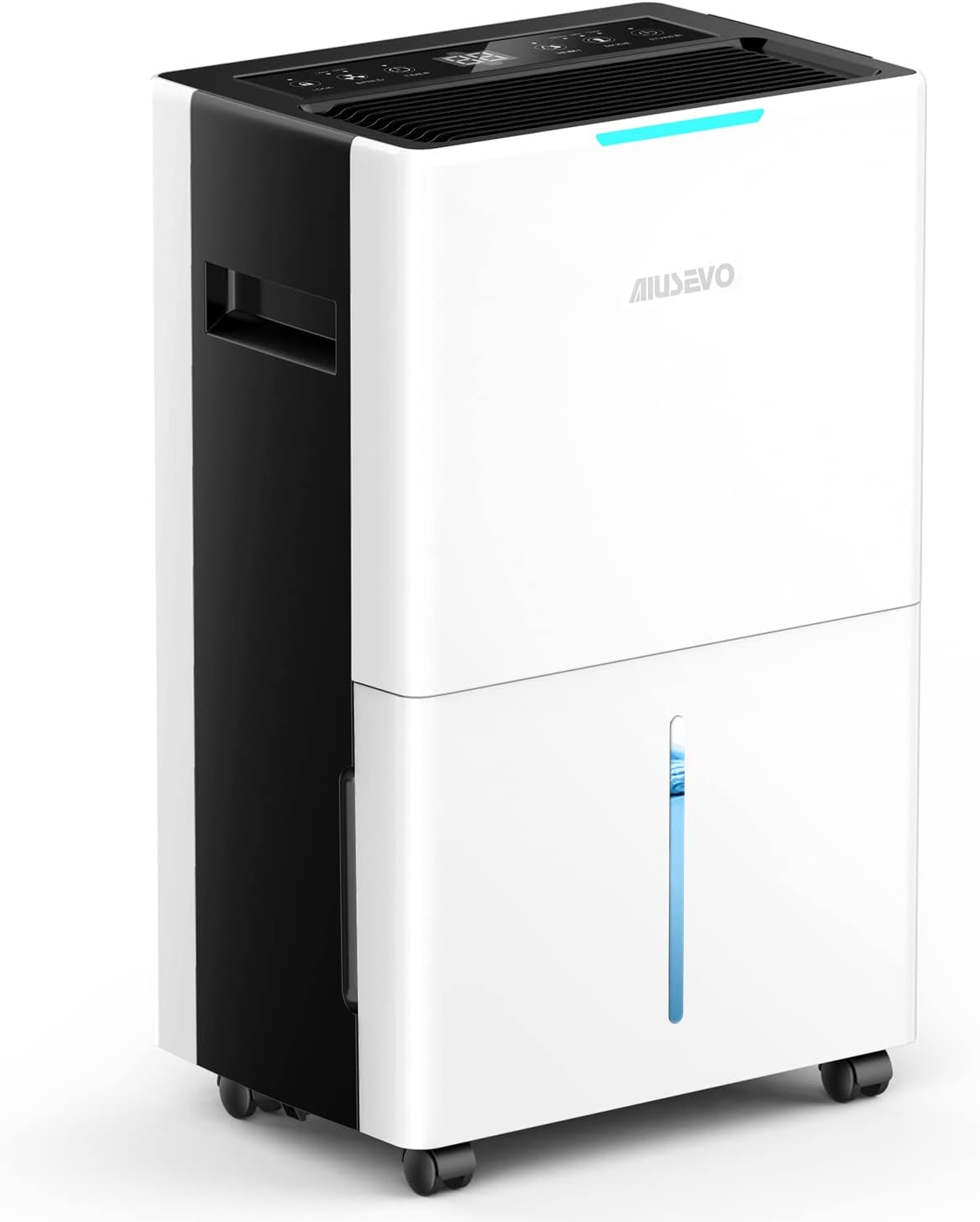
Large & Whole-House (50+ Pints)
Coverage: 1,500 - 3,000+ square feet.
These heavy-duty units often include built-in pumps to push water vertically into a sink. Essential for damp basements.
View Whole-House SystemsKey Features to Consider
Choose between manual emptying, gravity drain (hose), or a built-in pump for vertical lift.
Set your target humidity (usually 30-50%) and the unit will cycle on/off automatically.
Critical for basements; prevents ice buildup on the coils in cooler temperatures.
Ensures the unit turns back on with your previous settings after a power outage.
Maintenance and Best Practices
Regular Care
- Empty the water tank daily.
- Clean the air filter every 2-3 weeks.
- Wipe tank with vinegar monthly to prevent mold.
- Check drainage hoses for clogs.
Optimal Placement
- Maintain 12-18 inches of clearance.
- Position away from direct heat sources.
- Close all windows and doors during operation.
- Use a hygrometer to track real-time levels.

Hi, I’m Cohan, the author behind Your Dehumidifier Guide, a website dedicated to helping you create a healthier and more comfortable living environment. With a tagline of “Breathe Easy, Live Better,” my ultimate goal is to provide you with the best dehumidification solutions for your home. Whether you’re looking for the perfect dehumidifier for your bathroom, small room, or basement, I’ve got you covered. Through in-depth reviews and comprehensive buying guides, I aim to equip you with the knowledge to tackle high humidity levels, prevent mold growth, and improve your indoor air quality. Trust me to be your ultimate guide in the world of dehumidifiers.